Start with why
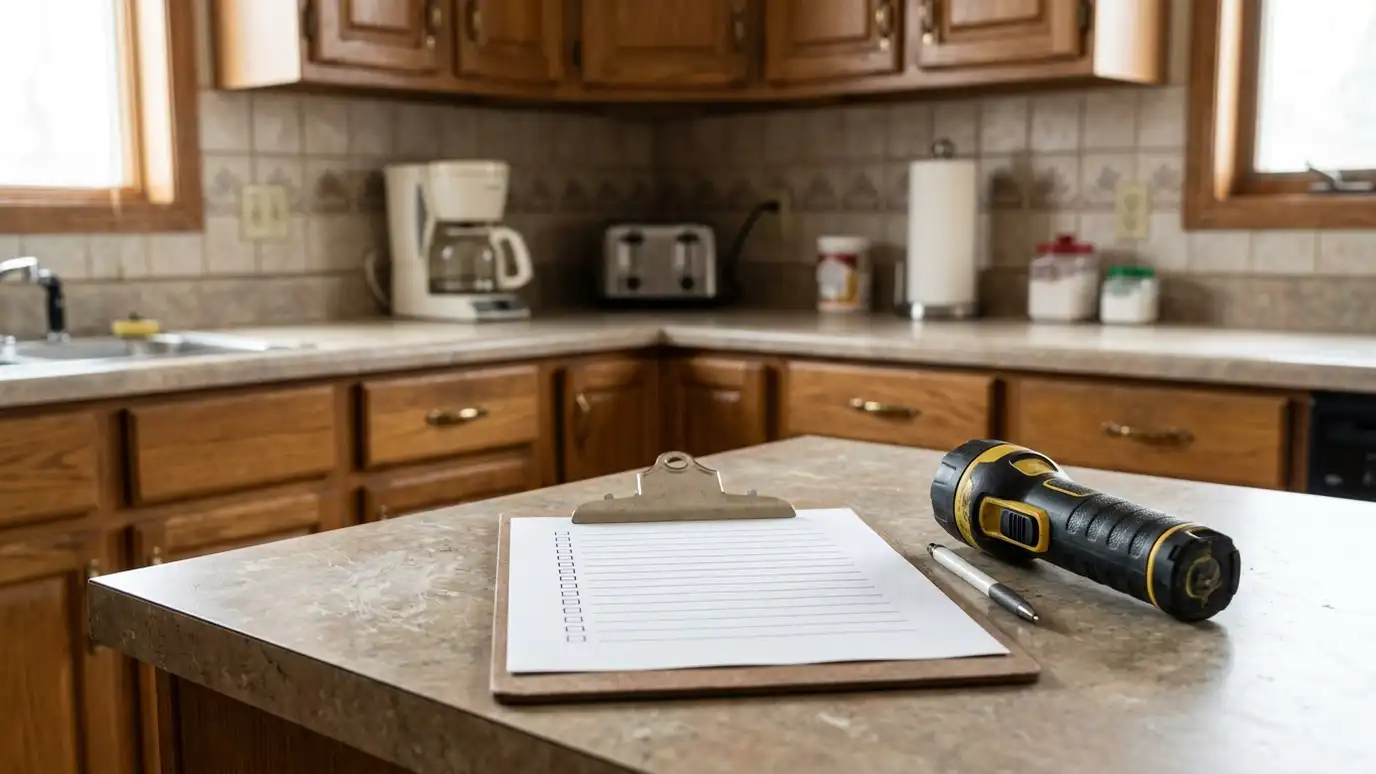
Before you look at tile, ask what is wrong with your kitchen now. Is it too small, too dark, too closed off, too worn or simply not your style? Write the answers down. A clear list of problems keeps the project focused and helps you resist upgrades that do not matter to you.
Also decide how long you plan to stay. A kitchen for the next ten years is a different investment from one you will sell soon.
Set a budget and a priority list
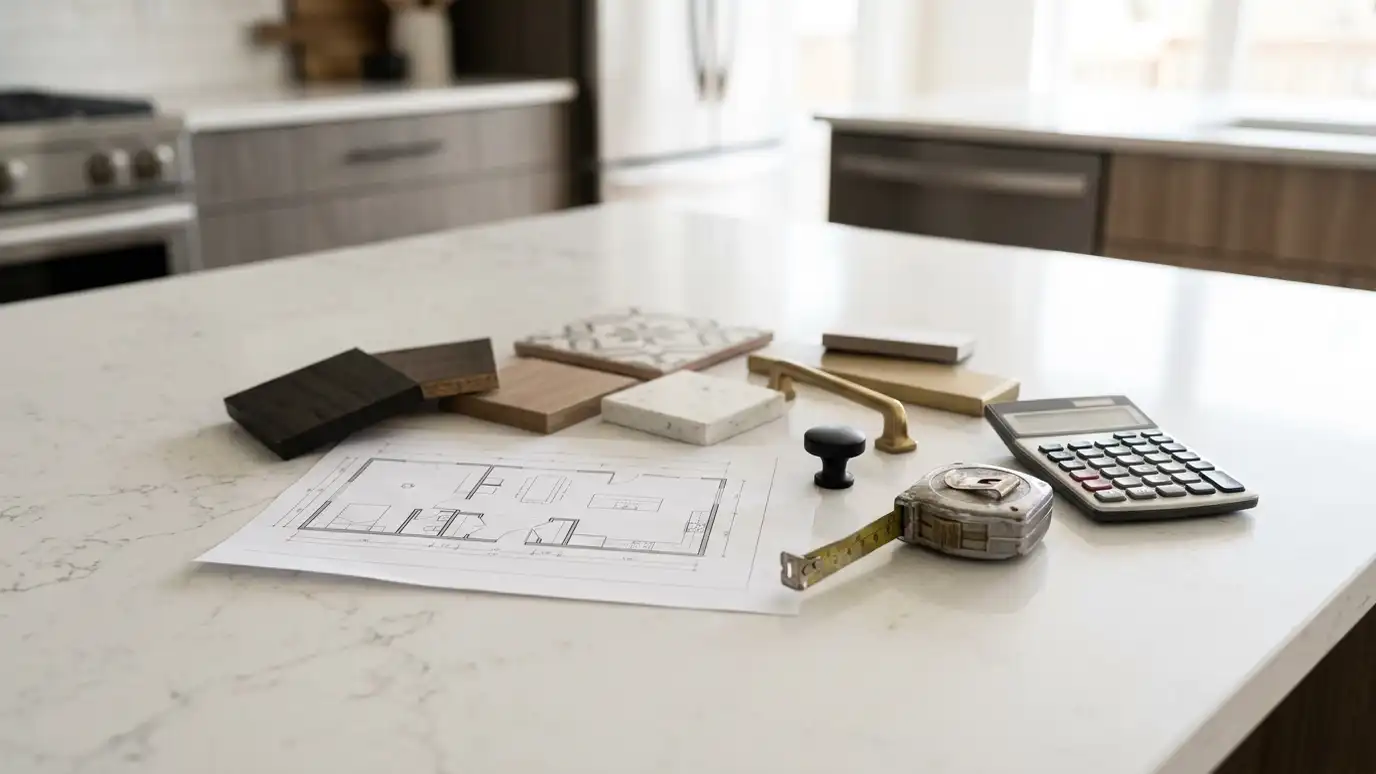
Choose a comfortable range and sort wishes into must-haves, nice-to-haves and later-maybes. Include a contingency. Many projects go wrong when the budget is guessed rather than built from a list.
A planning visit and budget tools can give ranges based on your scope, so you are working with numbers that mean something.
Study the layout
Look at how you move through the kitchen. Where does traffic bunch up? Where do you wish you had more counter? Think about the sink, range and refrigerator, and about zones for prep, cooking, cleanup and storage.
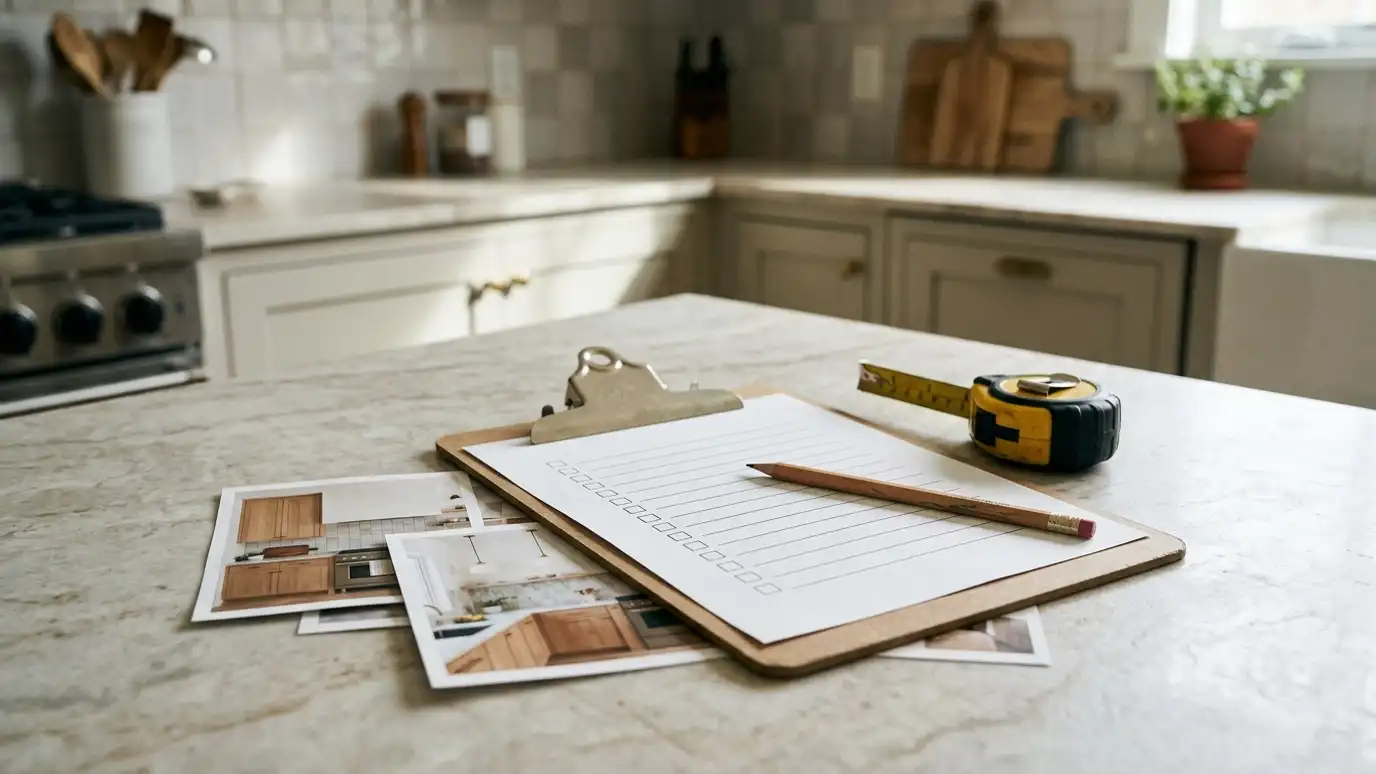
Collect photos of kitchens you love and note what you like in each, such as an island, a window or a color. Patterns will emerge.
Choose your team
Interview more than one company. Ask to see past work, ask about process and schedule and ask who will be on site. A contractor who explains clearly and listens carefully is usually a good sign.
Decide whether you want separate designers and builders or a design-build team. Both can work, but the coordination looks different.
Make selections early
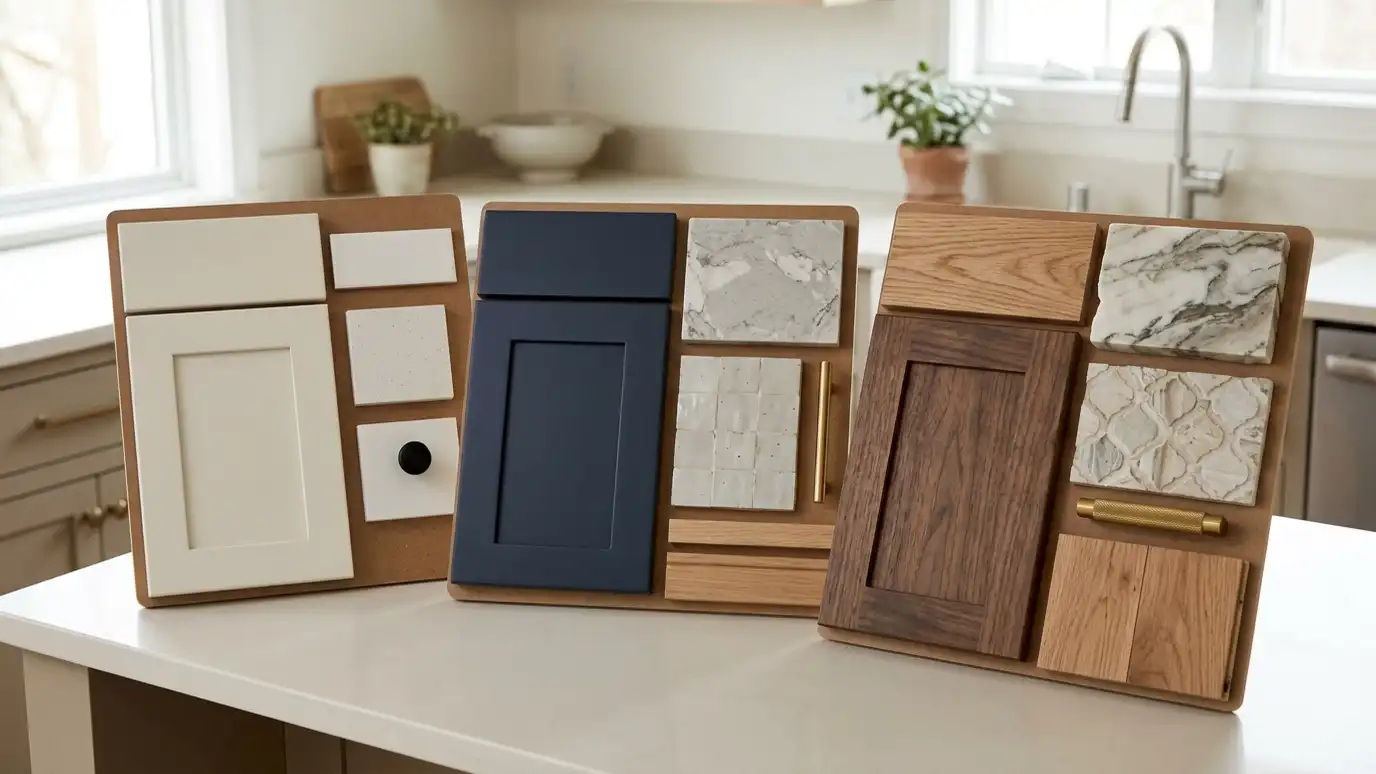
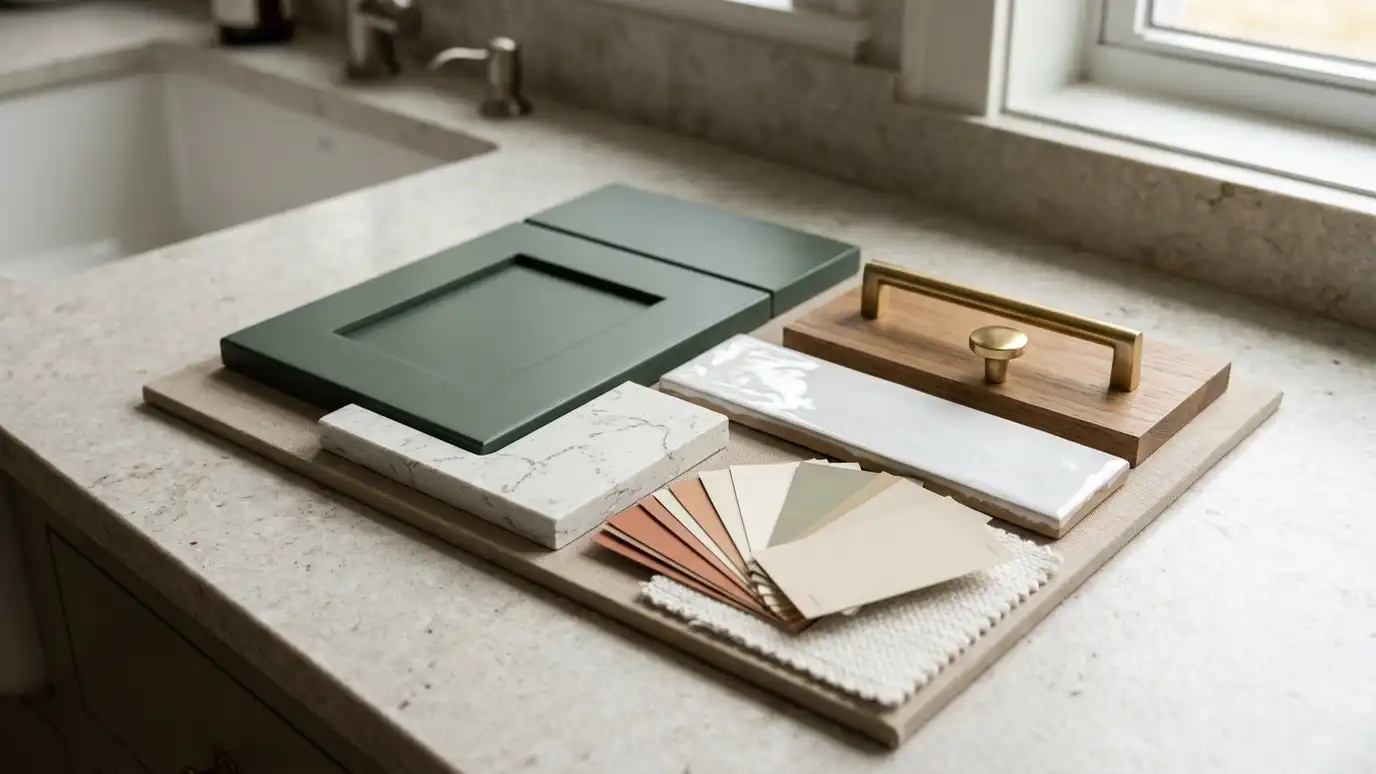
Decide on cabinets, counters, flooring, backsplash, lighting, plumbing fixtures and appliances before demolition. Late choices lead to delays and cost. Visit showrooms and see full slabs rather than small samples.
Keep a folder with model numbers, finishes and dimensions. It becomes the source of truth for the project.
Plan for life during construction
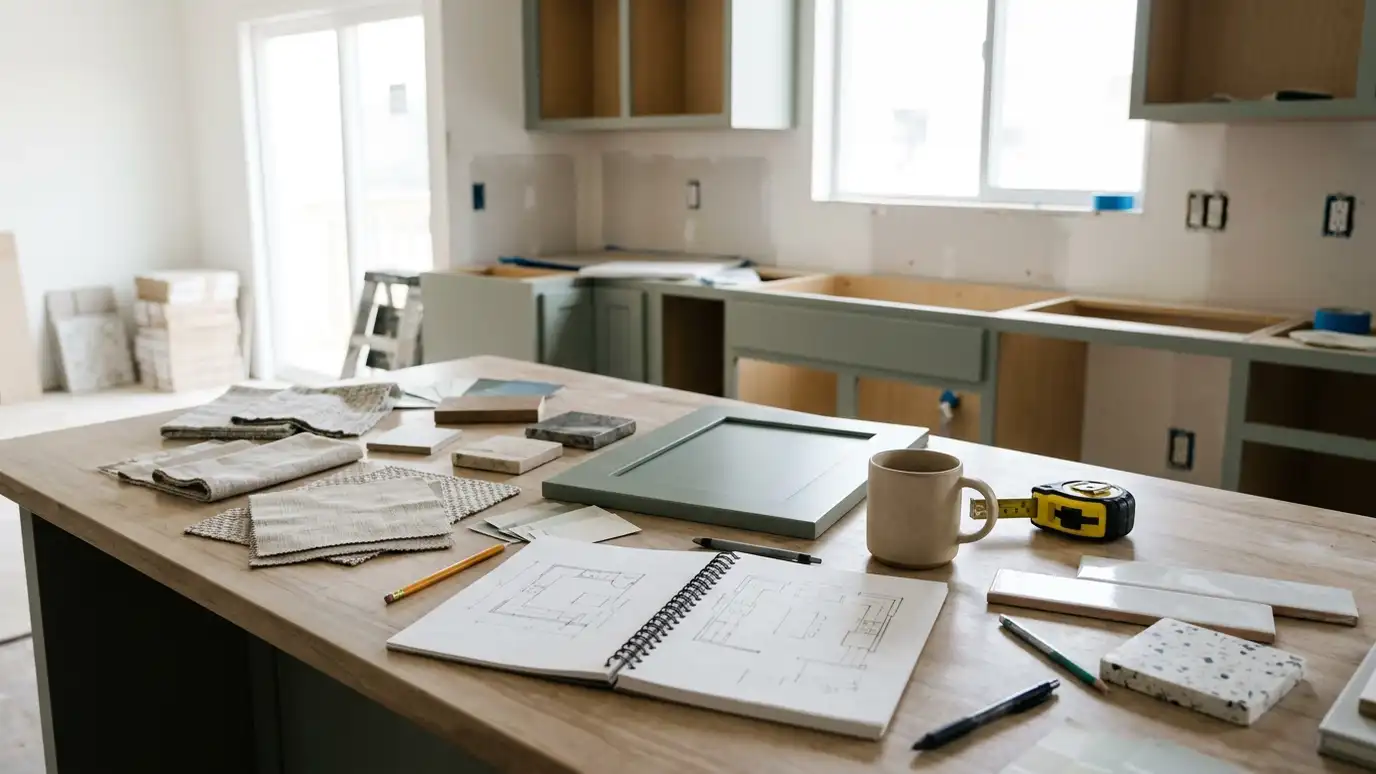
Set up a temporary kitchen, protect pets and children from construction areas and plan meals. Talk to neighbors about noise and parking. Decide how you will communicate with the crew.
Think about whether you will stay in the home, and what dust and noise you can tolerate.
Prepare for the finish
Walk the finished kitchen with a punch list, check every appliance and drawer and ask questions about care. Keep paperwork, manuals and contact information together.
Then enjoy it. A well-planned kitchen should feel like it has always belonged in your home.
Write down what is wrong, set a budget with a contingency, choose selections before demolition and pick a team that communicates clearly.