Why there is no single price
Two kitchens of the same size can cost very different amounts because the price follows the scope, not the square footage. A refresh with new paint, hardware and a backsplash is a different project from a full gut with new cabinets, counters, flooring, lighting and a moved wall. Quotes you find online are averages of very different jobs, which is why they rarely match your own.
The more useful question is what you want to change and what quality level you want to change it to. Once those are written down, a contractor can price the same list of work and you can see where the money goes.
The big cost drivers
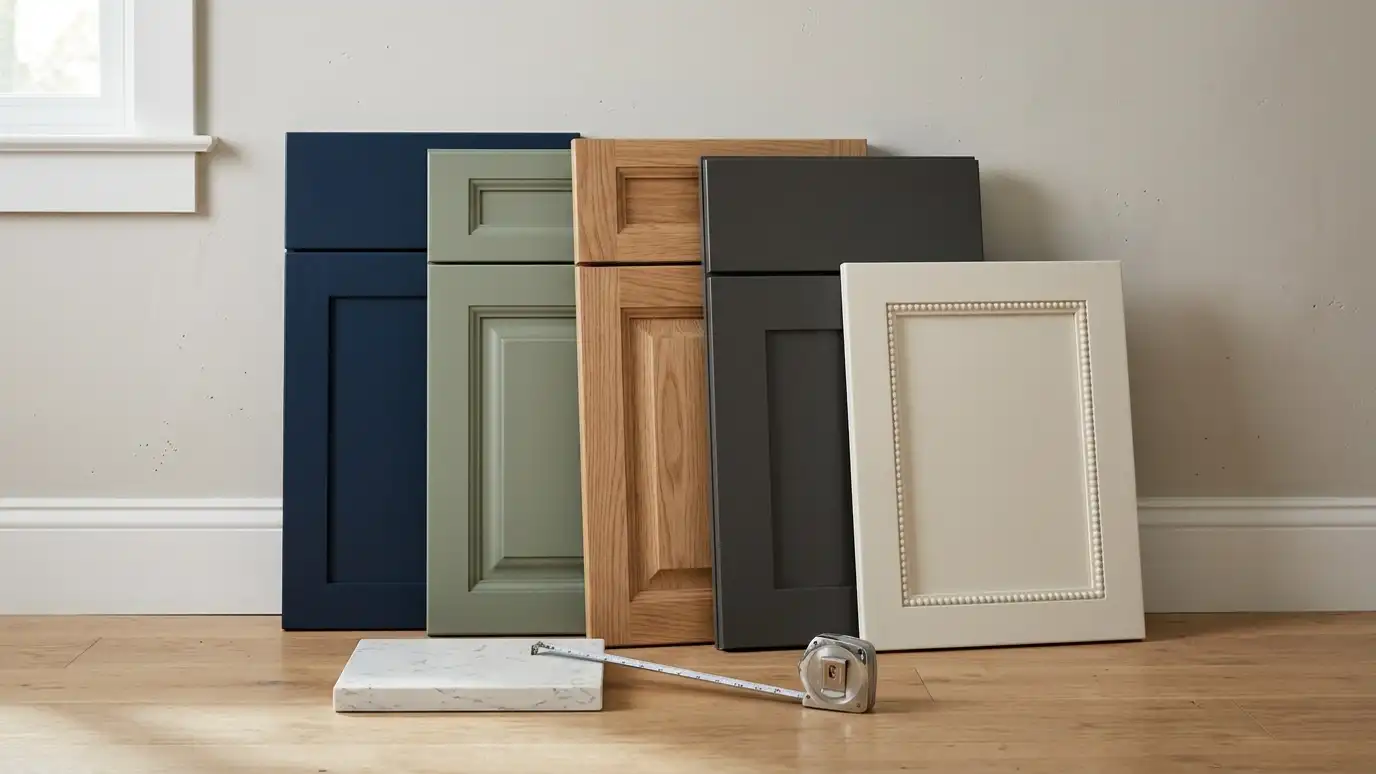
Cabinets are usually the largest single line, followed by labor, countertops, appliances, flooring and lighting. Within cabinets, the choice between stock, semi-custom and custom moves the total more than almost any other decision. Countertop material and size, and the number of seams and cutouts, come next.
Layout changes cost more than finish changes. Moving a sink, relocating a range or removing a wall adds plumbing, electrical, structural and finishing work, so it is worth deciding early whether the benefit justifies the extra.
The hidden part of the budget
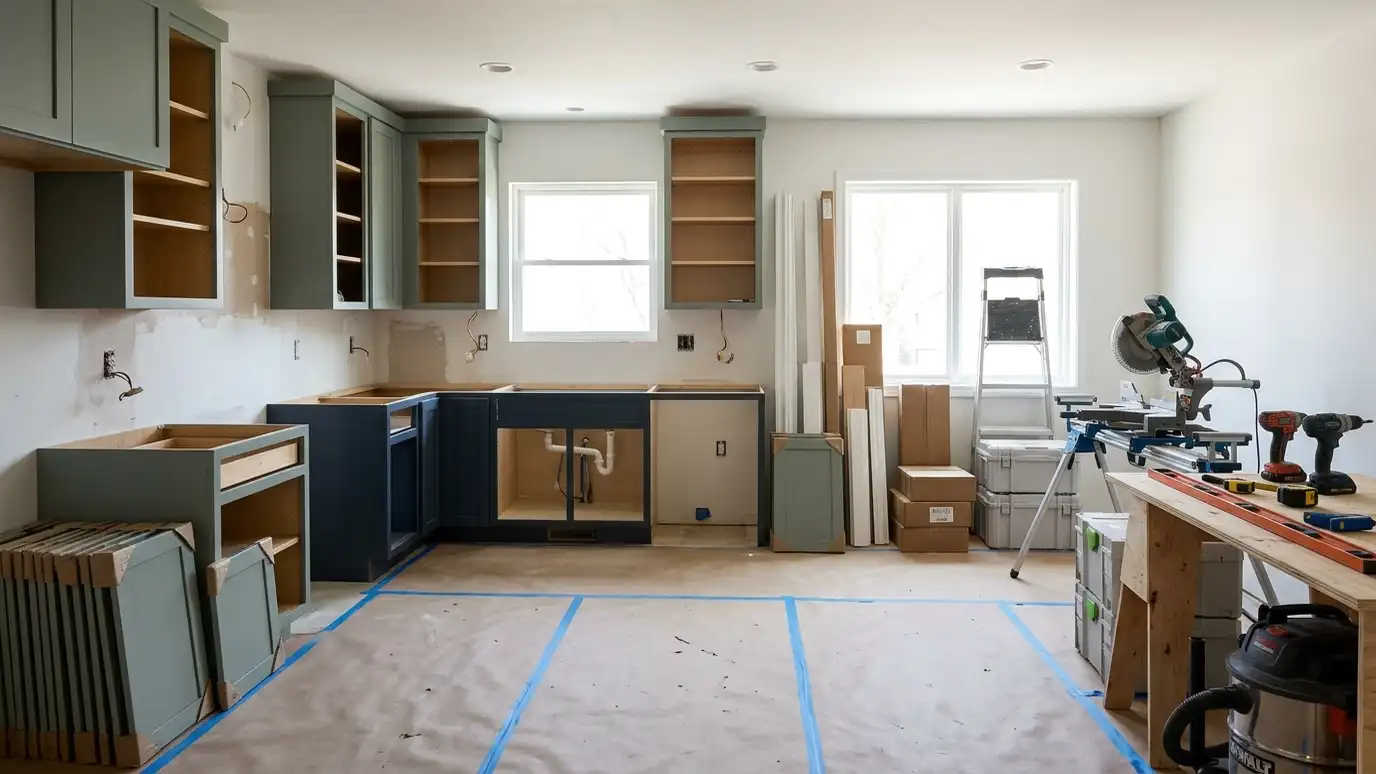
Behind old walls and under old floors, kitchens hide wiring, plumbing and structure that may need attention. Older Nashville homes in particular can surprise you with outdated wiring, soft subfloors or undersized panels. A contingency set aside for these discoveries keeps a surprise from becoming a crisis.
Permits, dumpsters, temporary kitchen setup, delivery fees and cleanup are also real costs that sometimes appear late in a budget conversation. Ask for them to be listed.
Where to spend and where to save
Spend on what is hard to change later: layout, cabinet quality, lighting, ventilation and a solid floor. These affect every day of use and are expensive to redo. Save on items that are easy to upgrade, such as hardware, faucets and paint colors, or where a mid-range product performs nearly as well as a premium one.
Mixing high and low is not a compromise, it is how good designers work. A great island counter with a simpler perimeter surface, or open shelves in place of some upper cabinets, can stretch a budget without cheapening the room.
How to compare quotes fairly
Ask every contractor to price the same written scope, including the same cabinet line, countertop material, appliance allowance and level of demolition. A quote that is much lower may be leaving something out, or using an allowance that is too small for what you actually want.
Look at what is included: permits, protection, cleanup, project management and how changes are handled. Ask how long the price is held and what is excluded.
Ways to control cost without cutting quality
Keep the layout if it works. Reface or paint sound cabinets. Choose a quality mid-range counter. Phase large projects so you can finish the kitchen first and upgrade other rooms later. Choose standard sizes where custom sizes add little. Buy appliances during sales, but confirm dimensions first.
Avoid changing your mind after ordering. Changes late in a project cost more than almost any other choice you make.
Questions to ask before you sign
How long is the quote valid? What is the allowance for items I have not chosen? How are unforeseen conditions priced? Who manages the schedule and deliveries? What is the payment schedule? How are changes documented and approved?
The answers tell you as much about the contractor as the number at the bottom of the page. Clear answers are a good sign.
Write down the scope first, price the same list with every contractor and keep a contingency for what is hidden behind the walls.