Why permits exist
Permits and inspections exist to keep homes safe: wiring that does not overheat, gas lines that do not leak, structure that carries its load and plumbing that does not damage the building. They also create a record that work was reviewed.
That record matters when you sell, insure or refinance, and when you want peace of mind that hidden work was done properly.
What usually needs a permit
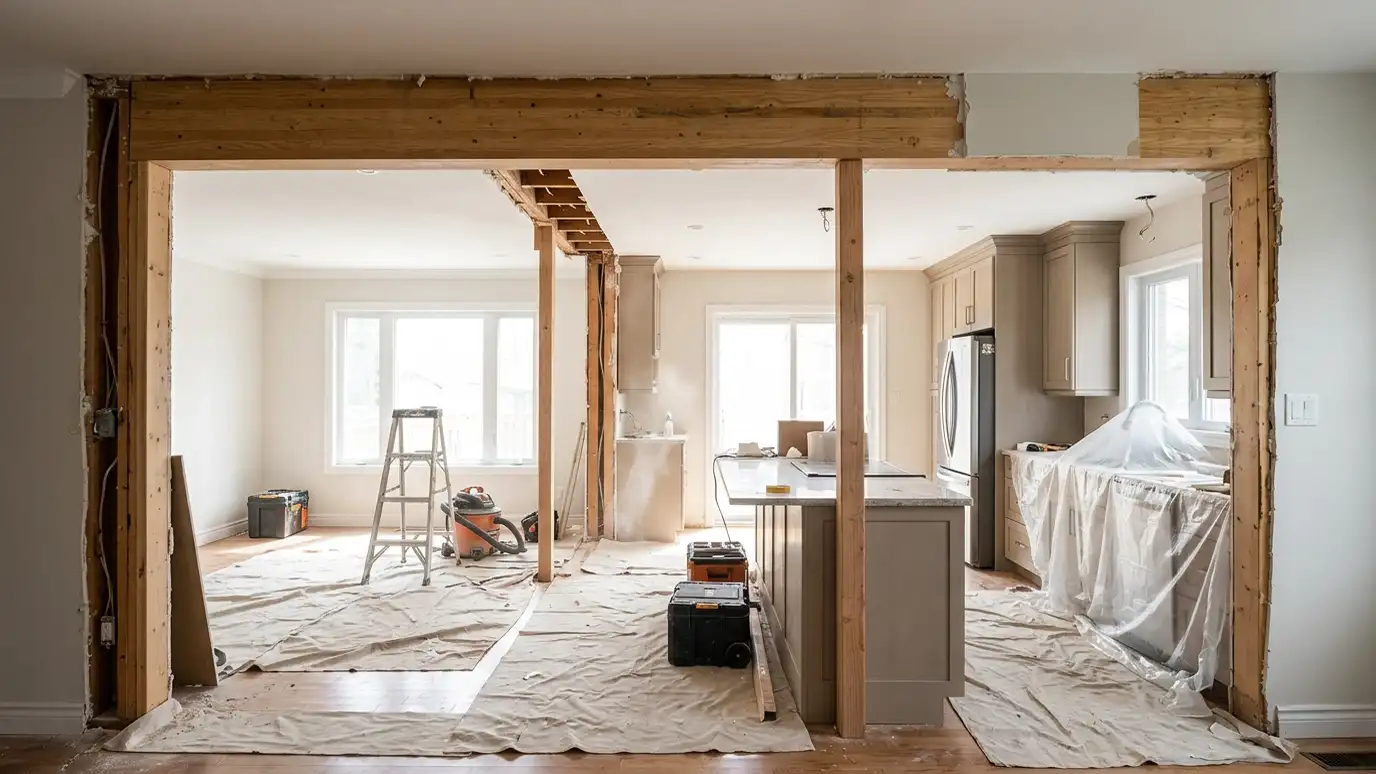
Electrical changes, new circuits, plumbing relocation, gas work, structural changes such as removing a load-bearing wall and mechanical changes such as new ducting generally require permits. Cosmetic updates such as paint, flooring and cabinet swaps often do not.
Rules differ among Metro Nashville and surrounding cities and counties, so always confirm locally.
How the process works
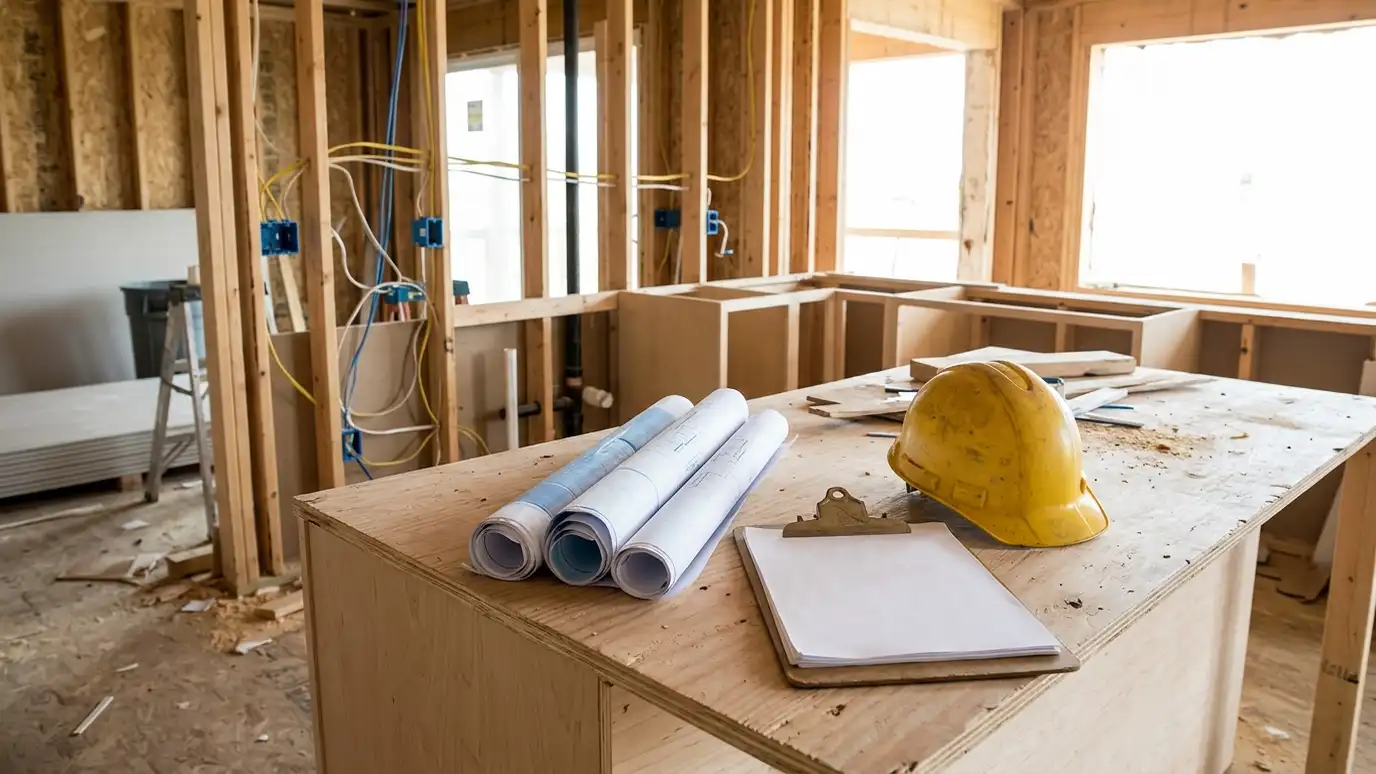
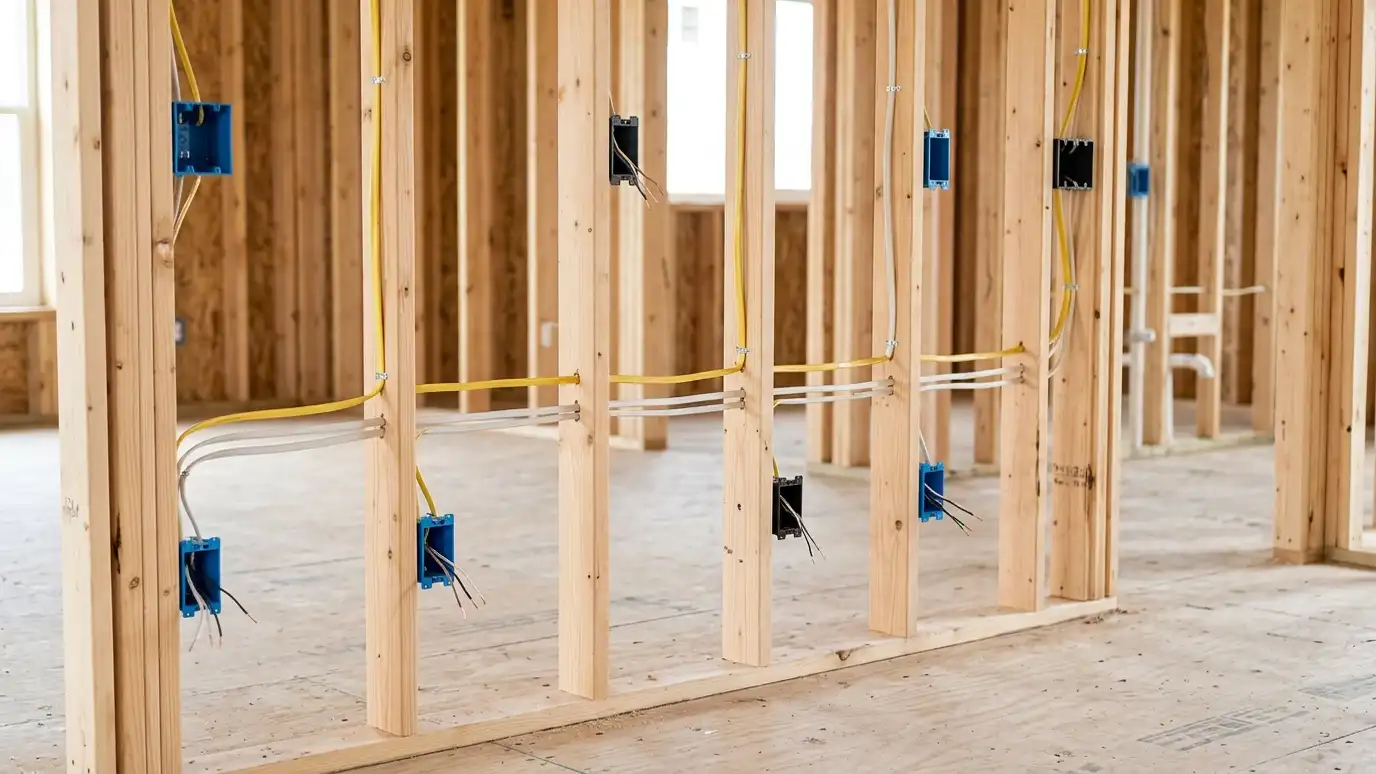
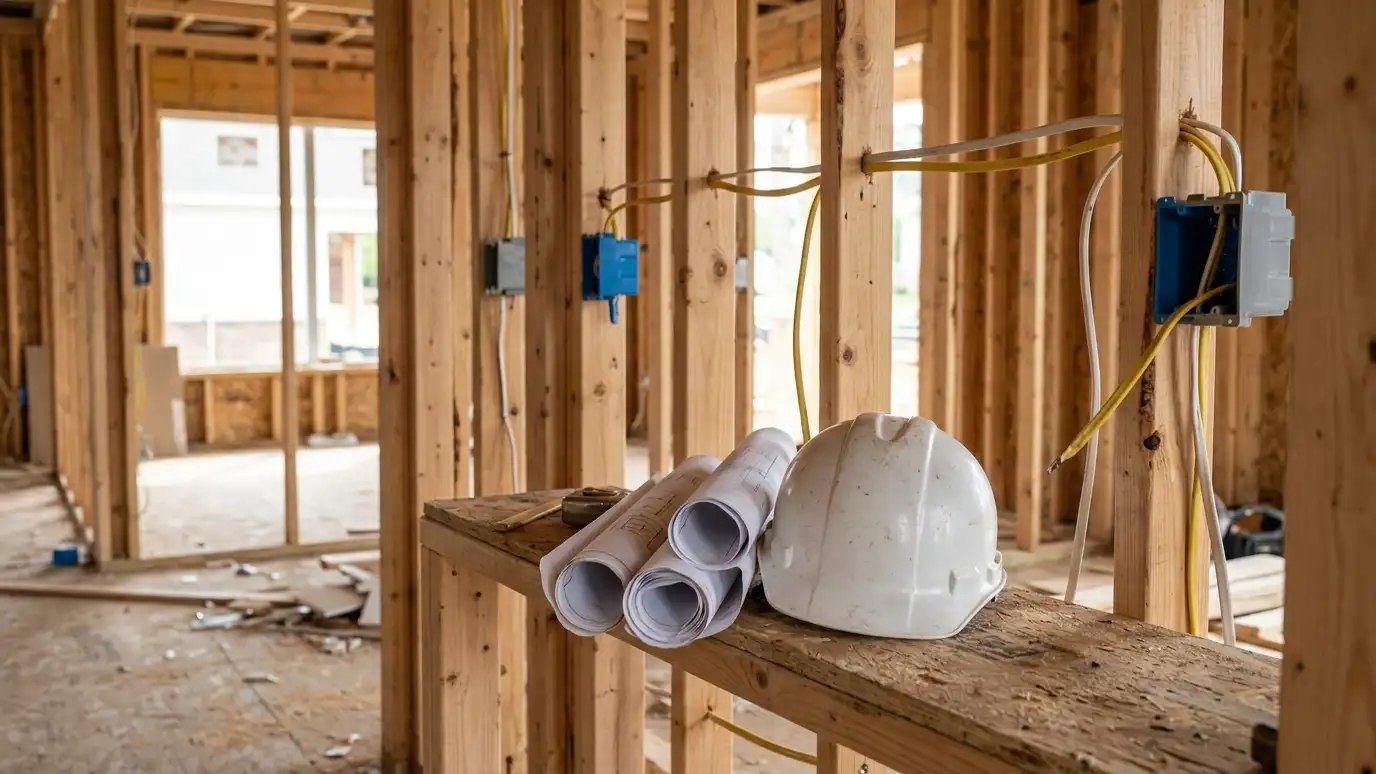
Applications usually include a description of the work and sometimes drawings. After approval, work proceeds, and inspections are scheduled at key stages, often rough-in before walls close and a final at completion.
Timing varies by jurisdiction and season. Build it into your schedule.
Who is responsible
A contractor who performs the work typically pulls the permit and schedules inspections. Homeowners doing their own work may need to pull permits themselves. Make sure the contract states who is responsible.
Be cautious of anyone who suggests skipping permits to save time or money.
Common code topics in kitchens
Examples include outlet spacing and protection at counters, circuit requirements for appliances, ventilation, clearances around cooking appliances, smoke and carbon monoxide detectors and egress or window requirements in some situations.
Codes change over time, and local amendments exist. A professional can help you understand what applies to your project.
Older homes and special cases
Older homes may need updates to meet current standards when significant work is done. Historic districts and homeowner associations may have their own review. Condos often require association approval.
Ask early so approvals do not delay the project.
What happens if work was done without a permit
Unpermitted work can create problems at sale or insurance claim, and may need to be opened up or corrected later. Retroactive permits are possible in many places, but they can be costly and stressful.
Doing it right the first time is almost always cheaper.
Ask your local permit office what applies, make sure the contract says who pulls permits and keep the records.